Recycling and Sustainability for Gardeners Pinner
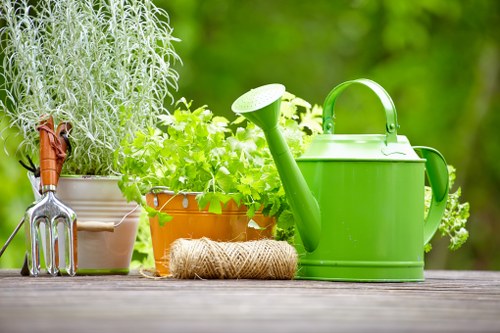 Gardeners Pinner is committed to greener practice across every stage of outdoor work, from routine maintenance to full garden transformations. Our approach to recycling in Pinner is built around reducing waste at source, separating materials correctly, and sending as little as possible to landfill. With local awareness of borough-led waste separation and reuse initiatives, we make sure garden clearances, soil removals, and plant waste are handled in a way that supports the wider circular economy. The goal is simple: keep useful material in use for longer and minimise the carbon impact of every visit.
We work toward a minimum recycling percentage target of 90% for suitable green and inert waste streams, with continual review to improve performance year on year. That means prioritising composting, wood chipping, soil recovery, metal segregation, and responsible reuse where possible. For many Pinner gardens, this includes the separation of branches, hedge trimmings, turf, leaves, and packaging from general waste. By planning waste handling carefully, our garden recycling services help reduce the strain on local disposal systems while keeping the process practical for homeowners, landlords, and property managers.
We also support residents by aligning with the way local boroughs encourage waste separation, especially where garden waste, mixed recyclables, and bulky materials must be handled separately. Selective sorting matters in suburban areas like Pinner because it improves the quality of recovered material and makes it easier for transfer stations to process loads efficiently. Whether it is a one-off clearance or a recurring maintenance programme, our recycling-focused gardening services aim to keep the right material in the right stream.
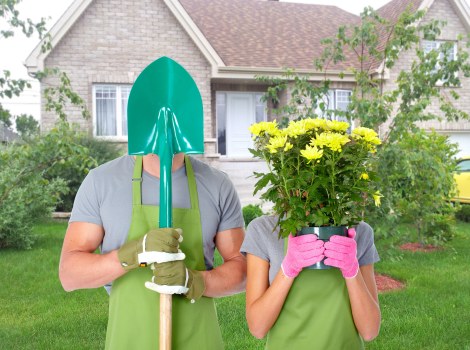 A key part of our sustainability work involves using local transfer stations and authorised waste facilities that can process different material types safely and efficiently. These facilities are essential for sorting green waste, soil, hard landscaping rubble, timber, and metal components. By choosing nearby transfer routes where available, Gardeners Pinner reduces unnecessary mileage and supports a lower-emission waste chain. This is especially important for larger jobs, where tree cuttings, broken pots, old sleepers, and excavation spoil can quickly build up into mixed loads that require proper handling.
Our sustainable garden clearance process also includes careful material assessment on site. Before anything leaves the property, we separate what can be reused, what can be recycled, and what must be disposed of through compliant channels. In practical terms, this might mean sending clean wood to biomass or chipping operations, diverting stone and rubble to inert material recovery, and ensuring plant matter is composted rather than discarded. This structured approach supports a cleaner local environment and reflects the expectations of boroughs that increasingly prioritise waste separation and reuse.
Another important part of our recycling and sustainability strategy is our partnership with charities and reuse organisations. Where items are suitable for a second life, we aim to direct them away from disposal and toward community benefit. That can include pots, planters, outdoor furniture, garden ornaments, tools, and some reusable materials from landscaping projects. By working with charitable partners, our eco-friendly garden services help extend product lifecycles and reduce waste while supporting good causes in and around the area.
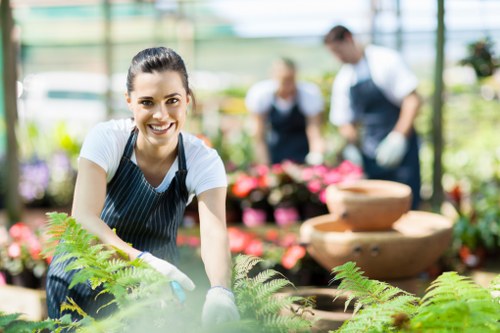 Plant waste is treated with particular care because it has strong recycling potential. Leaves, grass clippings, soft stems, and pruning material can usually be processed into mulch or compost feedstock, depending on quality and contamination levels. Harder material such as trunks and thicker branches may be chipped for reuse in paths, beds, or biomass supply chains. In the context of garden waste recycling in Pinner, these activities matter because they turn routine maintenance by-products into useful resources rather than disposable rubbish.
We also pay attention to packing materials and non-organic waste generated during landscaping or seasonal work. Compost bags, plant containers, broken terracotta, and metal fixings are separated where local systems allow, while mixed waste is kept to a minimum through better planning. This is in step with the borough approach to waste separation, which increasingly encourages residents and contractors to sort materials before collection or transfer. Our recycling-minded gardening team supports that direction by reducing contamination and improving recovery rates.
For heavier jobs, the transport side of sustainability is just as important as the waste itself. Gardeners Pinner uses low-carbon vans designed to reduce fuel use and cut emissions across local journeys. These vehicles are better suited to short-distance collection runs, repeated site visits, and controlled transfers to recycling facilities. Combined with route planning and efficient loading, our low-emission garden service helps lower the environmental footprint of each project without affecting reliability or capacity.
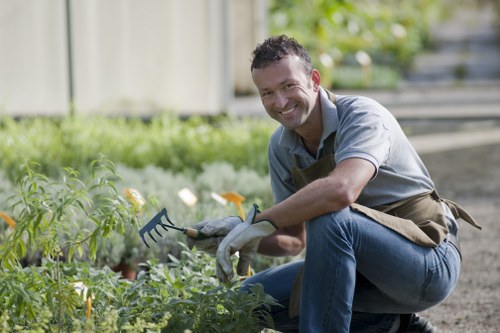 Sustainability is not treated as a separate add-on; it is part of how we work every day. From the first assessment to the final clear-up, we look for ways to reduce waste and improve material recovery. In some projects, that means reusing excavation soil on site, retaining healthy topsoil for regrading, or mulching prunings to nourish borders. In others, it means careful segregation so that recyclable streams are clean enough for processing at local transfer stations and recovery centres. These small decisions add up to a more responsible gardening and recycling service.
We also recognise the role of local community standards in shaping greener outcomes. Borough-level waste separation practices have made many households more aware of what can be recycled, composted, or reused, and our service reflects that awareness. When we talk about sustainable garden waste management, we mean practical choices such as keeping green waste separate from general rubbish, removing recyclable metals from demolition debris, and ensuring that reusable items are matched with charity partners before disposal. This is especially relevant in mixed residential streets where small garden jobs can produce a surprising variety of material.
Gardeners Pinner continues to refine its recycling percentage target, transport strategy, and reuse partnerships so that each project is handled responsibly from start to finish. Whether the task involves pruning, clearance, landscaping, or seasonal tidy-up work, our recycling-led gardening approach keeps sustainability at the centre. By combining low-carbon vans, local transfer stations, and charity collaborations, we help build cleaner gardens and a cleaner local environment for the wider community.
 Looking ahead, our aim is to raise recycling performance even further by improving separation, increasing reuse, and continuing to favour low-emission logistics. That includes better sorting of green waste, smarter handling of timber and rubble, and ongoing collaboration with local facilities that support recovery and composting. For customers seeking a more responsible way to maintain their outdoor spaces, our eco-friendly Pinner gardening service offers a practical path toward lower waste and lower carbon impact.