Health and Safety Policy for Gardeners Pinner
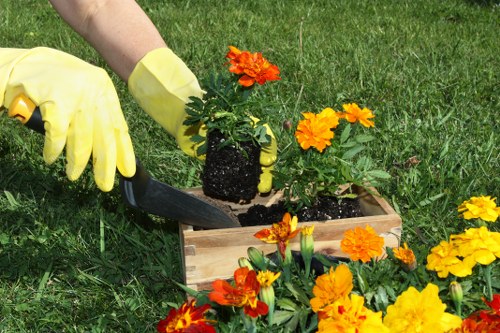 Gardeners Pinner is committed to maintaining a safe, healthy, and well-managed working environment for all gardening activities. This health and safety policy sets out the principles that guide our work, helping protect staff, clients, visitors, contractors, and members of the public from preventable harm. It applies to all routine and seasonal tasks, from lawn care and planting to pruning, waste handling, and use of powered equipment.
The purpose of this policy is to reduce risk through careful planning, awareness, and responsible working practices. We recognise that gardening can involve manual handling, sharp tools, uneven surfaces, weather exposure, and contact with plants, chemicals, or machinery. For that reason, garden safety is treated as an essential part of daily operations rather than an optional extra. Every job is assessed before work begins, and safe methods are chosen according to the conditions on site.
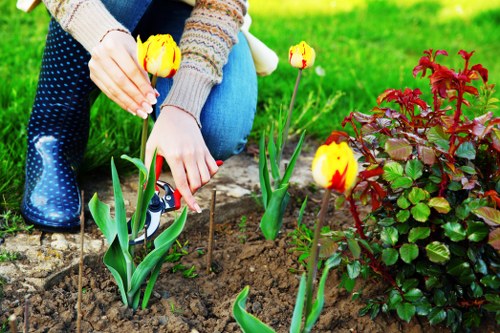 All team members are expected to take personal responsibility for their own safety and the safety of others. This includes wearing suitable protective clothing, using equipment correctly, reporting hazards promptly, and following instructions given by supervisors. Any gardening safety concern must be addressed immediately so that small issues do not develop into accidents or long-term problems.
Core Principles of Safe Working
We work to the principle that hazards should be identified early and controlled before work starts. A simple risk assessment is completed for each task, taking account of access, surface conditions, lifting requirements, nearby traffic, children, pets, weather, and the condition of tools or plants. Where necessary, work may be paused or rescheduled if conditions become unsafe.
Protective equipment is used whenever appropriate. This may include gloves, eye protection, sturdy footwear, hearing protection, high-visibility clothing, or weather-appropriate layers. The correct equipment helps reduce the likelihood of cuts, slips, strain, burns, and exposure to irritants. Garden health and safety also depends on keeping equipment in good condition, so tools and machinery are inspected, cleaned, and maintained regularly.
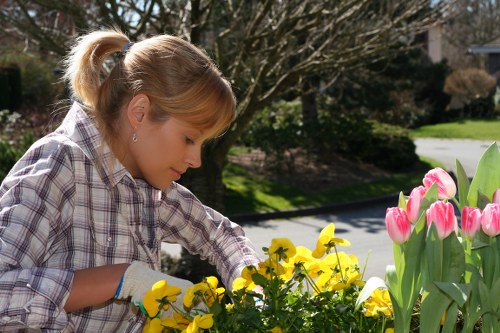 Training and supervision are integral to our approach. New team members receive instruction on safe tool handling, lifting techniques, emergency procedures, and hazard awareness. Experienced staff are expected to lead by example and support a culture where cautious work is valued over rushed work. Safety is shared responsibility, and everyone is empowered to stop a task if a risk becomes unacceptable.
Managing Common Gardening Risks
Many gardening tasks involve manual handling, which can place strain on the back, shoulders, and joints. To reduce this risk, loads are kept manageable, lifting is planned carefully, and mechanical aids are used where possible. Repetitive movements are also monitored so that breaks can be taken and work can be rotated when needed. This practical attention to workplace safety helps prevent avoidable injury.
Tools and machinery are handled with particular care. Sharp blades, pruning tools, hedge cutters, strimmers, and mowers can cause serious harm if misused. Equipment is only operated by trained personnel, guards are kept in place, and machinery is switched off before cleaning, adjustments, or transport. Fuel, charging equipment, and electrical items are stored and used in line with safe procedures.
Weather conditions can affect safety significantly. Wet ground increases slip hazards, strong sun can lead to heat stress, and cold weather may reduce dexterity or concentration. Our garden health and safety practices include monitoring conditions throughout the day and adapting work to suit the environment. Clothing, hydration, shelter, and rest breaks are managed responsibly so that the team remains alert and capable.
Hygiene, Chemicals, and Environmental Care
Good hygiene standards are maintained at all times, especially when handling soil, waste, compost, or potentially contaminated materials. Hands are washed after tasks, cuts are covered promptly, and personal protective equipment is cleaned after use. Any sharp debris, broken glass, or hidden waste is removed carefully to protect both workers and site users.
Chemicals, including fertilisers, weed control products, and cleaning agents, are selected and used with caution. Containers are labelled, stored securely, and kept away from unauthorised access. Instructions are followed exactly to reduce the risk of inhalation, skin contact, or environmental damage. When possible, safer alternatives are preferred, and use is kept to the minimum necessary for effective results. Health and safety for gardeners includes respecting wildlife, plants, and surrounding property while carrying out treatments.
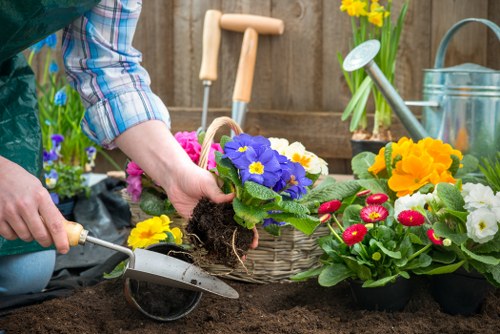 Emergency arrangements are kept clear and practical. Staff are expected to know what to do in the event of injury, fire, chemical exposure, severe weather, or equipment failure. First aid supplies are available, incidents are reported, and lessons learned are reviewed to improve future practice. Prompt reporting ensures that corrective action can be taken without delay.
Responsibilities and Continuous Improvement
Management holds overall responsibility for implementing this policy, reviewing working methods, and ensuring that suitable resources are provided. Supervisors monitor compliance and encourage safe decision-making throughout each project. Team members must cooperate with these measures, use equipment appropriately, and avoid taking unnecessary risks.
Regular reviews help keep the policy effective and relevant. Changes in equipment, working methods, legislation, or common site conditions are considered during updates. Feedback from incident reports, inspections, and routine observations is used to improve procedures. This commitment to continuous improvement strengthens gardener safety and supports a reliable standard of service.
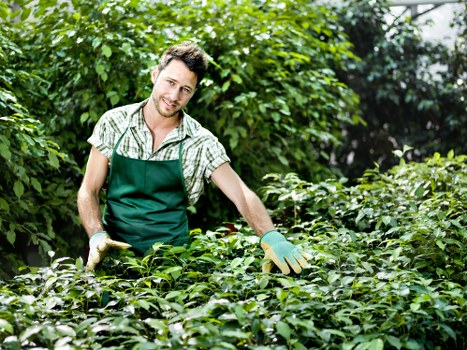 By following this health and safety policy, Gardeners Pinner aims to create a secure, organised, and professional working environment. Safe practice protects people, preserves equipment, and helps every gardening task be completed efficiently and responsibly. Health and safety is not simply a requirement; it is a core part of how we work every day.