Tree work and TPO advice for Pinner gardens gardeners guide
If you manage a garden in Pinner, tree work is rarely just a case of "cut it back and tidy it up." One overgrown branch can block light, lift a fence panel, crowd a border, or even trigger a conversation about Tree Preservation Orders (TPOs). And that is where this Tree work and TPO advice for Pinner gardens gardeners guide becomes genuinely useful. It helps you work out what you can do, what needs permission, and when it is better to bring in a specialist. In a place like Pinner, where mature trees are part of the character of many gardens, the right approach protects both your property and the tree itself.
Truth be told, most problems start small: a leaning limb after a windy night, a hedge that has quietly become a tree-sized job, or a neighbour asking whether that oak can be "just trimmed a bit." Those moments are exactly why a clear plan matters. This guide walks you through tree work, TPOs, practical safety, local best practice, and the sensible next steps for a garden that still looks good in the morning light.
Why Tree work and TPO advice for Pinner gardens gardeners guide Matters
Trees do more than fill space. They shape shade, privacy, wind exposure, bird life, and the whole feel of a garden. In Pinner, where plots can range from compact suburban gardens to more established properties with mature planting, tree decisions quickly affect everything else around them. A crown lifted too high can throw a room into shade. A neglected limb can scrape a roof in a strong gust. Even routine tidying can become sensitive if a tree is protected.
A TPO, or Tree Preservation Order, is a formal protection that can apply to a tree, a group of trees, or woodland. The point is not to make life difficult. It is to prevent avoidable damage to trees that matter to the local landscape. If a tree is protected, you usually need permission before carrying out work such as pruning, felling, topping, or root disturbance. That is a big deal, and if you ignore it, the consequences can be serious.
What many homeowners and gardeners miss is that tree work is not only about compliance. It is also about long-term garden health. A well-managed tree can improve soil moisture balance, create a cooler microclimate, and support planting below. A poorly managed one can cause thin grass, stressed shrubs, and a constant battle with dead leaves, broken twigs, and patchy lawn growth. If your garden already needs broader help, it can be worth coordinating tree work with seasonal garden maintenance so everything is handled as one plan rather than a pile of separate jobs.
How Tree work and TPO advice for Pinner gardens gardeners guide Works
The process usually starts with identification. First, work out what tree you have, where it stands, and whether it may be protected. In practice, this means checking whether the tree is within a conservation area, subject to a TPO, or simply a mature specimen with no formal restrictions. The paperwork side can feel a bit dry, but it saves trouble later. A quick assumption can lead to the wrong cut at the wrong time, and that is rarely cheap to fix.
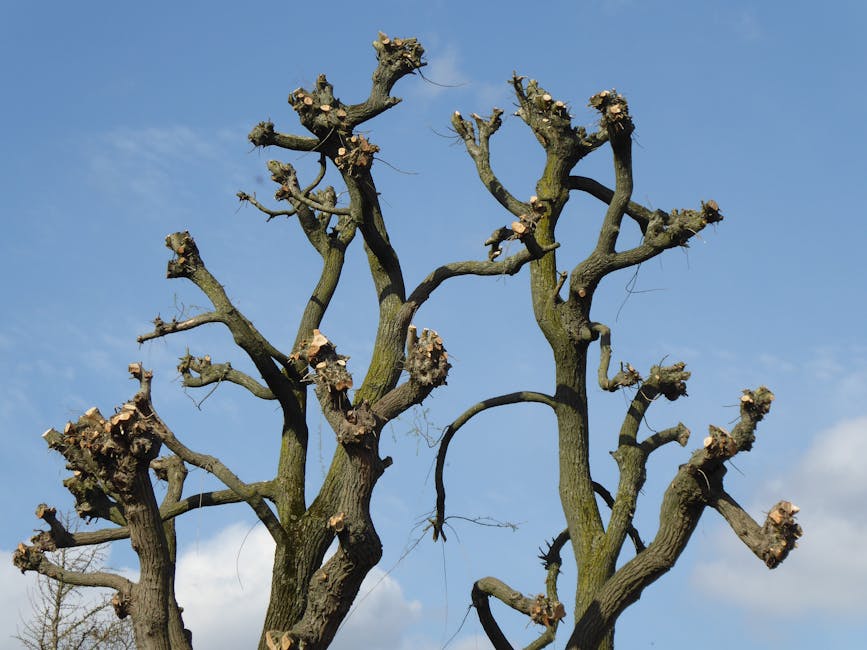
Once the status is clear, the next question is purpose. Are you reducing weight, improving light, removing deadwood, clearing a roofline, or addressing a safety risk? Different aims need different methods. For example, crown thinning is not the same as crown reduction. One improves light and air movement by removing selected smaller branches; the other reduces the overall size of the canopy. Topping, by contrast, is generally a poor idea because it can leave the tree stressed and structurally weaker. It sounds drastic because it is.
Good advice also considers season, nesting birds, access, and the condition of nearby features such as patios, fencing, and sheds. A safe job on paper can still be awkward in a real garden with tight side access or a sloping lawn. If your tree work is linked with wider outdoor improvements, it can help to think about the whole space, not just the trunk. For example, a project that includes pruning, clearance, and a fresh layout may connect neatly with landscaping support or a broader garden refresh.
In the best jobs, tree work is planned rather than improvised. That usually means inspection, permissions if needed, a method for the cut, and a tidy finish. Simple enough in theory. In real gardens, it is a bit more human than that.
Key Benefits and Practical Advantages
When tree work is handled properly, the benefits are immediate and long lasting. You get more daylight, better air movement, a tidier outlook, and less risk from damaged or overextended branches. For many Pinner gardens, that means the whole space feels bigger and calmer almost straight away. Morning light reaches the border again. The lawn dries out faster. The kitchen window stops feeling as though it lives in a tunnel.
There are also structural benefits. Pruning away dead, diseased, or rubbing wood can reduce the chance of branch failure. Balanced canopy management can help a tree cope better in windy weather, which matters in exposed pockets and open gardens. If your garden is already vulnerable to gusts, pairing tree management with ideas from creating a windproof garden can make the whole plot more resilient.
Another advantage is relationship management. That sounds a bit formal, but it is real. Thoughtful tree work can reduce neighbour disputes over overhanging branches, leaf fall, or blocked light. It also shows that you have taken a measured approach where permissions may matter. In practice, people notice. A careful job looks considered; a hacked-back tree looks like a panic decision.
For gardeners, there is also the planting angle. Once the canopy is managed, you may be able to introduce understory planting, shade-tolerant ground cover, or climbers that suit dappled light. If that is where your garden is heading, useful inspiration can be found in ground cover ideas for UK gardens and evergreen shade climbers for darker corners.
Who This Is For and When It Makes Sense
This guide is for anyone in Pinner who has trees, overhanging branches, or a garden that is being shaped by mature planting. That includes homeowners, landlords, tenant gardeners, and people caring for inherited gardens where the trees have been there longer than the current boundary fence. It also suits anyone who is unsure whether a tree can be pruned freely or whether some form of permission may be needed.
You will especially want to pay attention if:
- a tree is close to a house, garage, greenhouse, or boundary fence;
- you have noticed deadwood, fungal growth, cracking, or a lean that looks new;
- branches are touching roofs, walls, or overhead cables;
- the garden feels too dark or too crowded;
- you are planning larger garden changes and need a tree strategy first.
There is a sensible middle ground here. Not every tree needs specialist surgery. Some only need selective pruning or light crown work. Others need nothing more than monitoring and a tidy around the base. But if a tree is protected, near a structure, or visibly declining, that is the point where guesswork becomes risky. A practical way forward is to consider the tree as part of the whole garden system, not a one-off obstacle. That mindset helps a lot.
For people who already struggle with uneven maintenance, it may help to combine tree care with ongoing mowing, border work, and clearance through lawn care or a more general gardening service. A tidy framework makes decision-making less stressful.
Step-by-Step Guidance
If you are not sure how to begin, use a simple sequence. No drama, just method.
- Inspect the tree from the garden and from inside the house. Look for dead branches, split limbs, unusual lean, root lifting, fungi at the base, or branches brushing the roof.
- Check whether the tree may be protected. If you are unsure, treat it as potentially sensitive until confirmed otherwise. That is the safer habit.
- Define the goal. Are you improving light, reducing risk, restoring shape, or making room for a new garden layout?
- Decide whether the work is routine or specialist. Small pruning jobs can be straightforward, but anything involving height, decay, heavy limbs, or legal restrictions deserves experienced handling.
- Look at timing. Avoid unnecessary disturbance during nesting season and be cautious during wet, icy, or very windy weather.
- Plan the clearance. Branches, arisings, and stump waste need a route out of the garden. Tight side access can change the whole approach.
- Protect nearby features. Check fences, patios, decking, ornaments, and lawns. Tree work can be neat, but falling debris is still falling debris.
- Finish with a tidy and follow-up. Mulch, soil repair, and border recovery can make the space look settled again.
One small but useful habit: photograph the tree before any work begins. It creates a simple record and helps you compare shape, clearance, and canopy balance after the job. A lot of people skip this step, then later think, "Was it always this way?"
If you want the visual side of the garden to feel more designed after pruning, you might also explore stylish hedge shapes or even ideas for seating arrangements that suit a lighter, airier plot.
Expert Tips for Better Results
In our experience, the best tree work is often the least dramatic. A good cut tends to look almost boring, which is exactly what you want. Clean lines, sensible reduction, and no overreaction. Here are some habits that keep results better for longer:
- Respect the tree's natural form. Trees usually recover better when cuts follow their growth pattern instead of fighting it.
- Do less, but do it well. A light, regular approach is often better than a severe one every few years.
- Watch the base as much as the canopy. Root disturbance, compaction, and mulching errors can undo good pruning.
- Keep the long view. A tree that looks slightly untidy after minor work often looks healthier six months later.
- Use the opportunity to reset the whole border. Once light levels change, shade planting and ground cover can help the garden settle into its new balance.
Here is a small real-world moment. A homeowner in a compact Pinner garden may think a tree is "stealing" the space, but once a crown is lightly lifted and a few low, congested branches are removed, the whole patio suddenly feels usable again. The smell of damp soil, the daylight on the brickwork, even the sound of birds in the canopy changes. It is a subtle shift, but a proper one.
If your aim is privacy as well as tree control, choose the rest of the planting carefully. You may prefer layered screening rather than a single bulky block. That is where fast-growing hedges for privacy can complement tree work without making the garden feel heavy.
Common Mistakes to Avoid
A few mistakes come up again and again, and most of them are avoidable. The first is assuming a protected tree can be worked on "just a little." Minor work can still count as unauthorised work if the tree is under protection. Another common slip is pruning too hard in one go, which can leave wounds, weak regrowth, and an awkward shape that takes years to correct.
Other mistakes include:
- cutting without checking whether permission is needed;
- using the wrong cut for the job, such as topping instead of reduction;
- ignoring decay or cracks because the tree "still has leaves";
- dumping branch waste without planning access or disposal;
- forgetting that birds, nesting, and garden wildlife can affect timing;
- treating a leaning tree as normal when the lean is clearly new.
To be fair, some of these mistakes happen because the tree has been in place for years and people stop noticing it. That is exactly when a fresh look helps. Gardens go quiet, then one storm later you realise the canopy has changed, the patio feels darker, and the fence line is under strain. It sneaks up on you.
If winter damage or bad weather is already part of the story, you may also find it useful to think about building a resilient garden against weather damage so the next season is not a repeat performance.
Tools, Resources and Recommendations
The right tools matter, but they are only part of the picture. Good tree work needs a mix of visual judgement, safe access, and the ability to work cleanly around existing planting. For lighter jobs, common tools may include secateurs, loppers, pruning saws, a sturdy ladder, gloves, and eye protection. For larger or higher-risk work, specialist equipment and experience become much more important than any hand tool.
Useful planning resources for a garden owner include:
- a simple garden map showing trees, boundaries, sheds, patios, and access points;
- a photo record of any visible defects or seasonal changes;
- notes on shade patterns through the year;
- basic maintenance dates so you do not repeat the same issue every spring;
- a list of nearby plants that may be affected by root disturbance or extra sunlight.
If you are building a broader maintenance routine, a few related guides can help you plan the rest of the space around the trees. For example, essential outdoor tools is useful if you want to understand what belongs in a well-run garden kit, and turning organic waste into nutrient-rich soil is a smart follow-up after pruning and clearance.
For people who prefer a calmer, lower-maintenance plot after tree work, there is also room to rethink the planting style. low-maintenance garden ideas can work very well once the canopy is more balanced.
Law, Compliance, Standards, or Best Practice
Tree work can involve legal and practical obligations, so it is worth slowing down here. In the UK, trees may be protected by a Tree Preservation Order or, in some cases, by conservation area controls. If a tree is protected, unauthorised work can lead to enforcement action. That is not a scare tactic; it is simply why proper checks matter before a saw comes out.
Best practice is usually straightforward:
- check the tree's status before work starts;
- keep a record of what was agreed and why;
- use proportionate pruning rather than excessive cutting;
- avoid unnecessary disturbance to roots and surrounding soil;
- take extra care near buildings, fences, utilities, and shared boundaries;
- prioritise safety for people, pets, and nearby garden users.
Compliance is not only about permission. It is also about method and duty of care. If branches are unstable, if access is awkward, or if the tree shows signs of decline, a cautious approach is the right one. Better to pause and assess than to rush and create a bigger problem. That may sound obvious, but in gardens, obvious gets skipped all the time.
If a tree project sits alongside safety concerns, it makes sense to review the wider setup too. The site's insurance and safety guidance, health and safety approach, and terms and conditions are useful reference points when you are planning work that could affect property or access. For costs and timing, pricing and quotes gives a sensible place to start, while about the team helps you understand the people behind the service.
Options, Methods, or Comparison Table
Different tree jobs call for different approaches. Here is a clear comparison to help you judge the right route.
| Method | Best for | Main benefit | Watch out for |
|---|---|---|---|
| Light pruning | Small corrective work and tidying | Quick improvement with minimal stress to the tree | Can be overdone if cuts are too frequent or too severe |
| Crown thinning | Improving light and air movement | Better garden brightness and reduced wind resistance | Should stay selective, not patchy |
| Crown reduction | Reducing overall size or encroachment | Useful near buildings or overgrown boundaries | Needs skill to keep the tree balanced |
| Deadwood removal | Safety and health cleanup | Reduces falling debris and improves appearance | Should not become a substitute for deeper inspection |
| Felling | Trees that are unsafe, unsuitable, or cannot be retained | Removes immediate risk or clears space | May need permission and careful replanting planning |
If your tree issue is really about boundaries and screening, compare it against the rest of the garden before making a final decision. Sometimes the smarter answer is to trim, plant, and reshape rather than remove. Sometimes not. Gardens have a way of making that choice for you, eventually.
Case Study or Real-World Example
Imagine a typical Pinner back garden with an older apple tree near the lawn, a mature evergreen close to the fence, and a narrow patio that barely gets afternoon sun. The homeowner has noticed a few things at once: the lawn is thinning, the patio feels damp, and a branch brushes the roof during wind. There is also uncertainty about whether one of the trees might be protected.
The sensible response is not to start cutting. First, the trees are inspected for visible defects and growth patterns. Then the likely purpose of the work is split into separate aims: light improvement, clearance from the roof, and possible reduction of the evergreen's spread. After that comes the permissions check. If a TPO applies, the work must be handled accordingly. If not, the pruning can still be planned with care so the tree remains healthy and the garden does not lose its character.
Once the work is complete, the space changes in small but noticeable ways. The patio dries more quickly after rain. The lawn gets a little more light. The border under the tree is redesigned with shade-tolerant planting rather than fighting for sun that is no longer there. A few months later, the garden feels less crowded and more deliberate. Not dramatic. Just better. And honestly, that is usually what people wanted all along.
It can also open the door to new ideas, like a small seating area where dappled light now falls, or a quieter corner with vertical planting. If you are exploring layout changes, vertical gardening in modern landscapes is a smart follow-on read.
Practical Checklist
Use this quick checklist before any tree work in a Pinner garden:
- Identify the tree and note its location.
- Check whether it could be protected or in a conservation area.
- Look for deadwood, cracks, fungal growth, or fresh lean.
- Decide what outcome you actually want: light, safety, shape, or clearance.
- Consider nesting birds, season, weather, and access.
- Protect nearby fences, patios, decking, ornaments, and planting.
- Plan waste removal before work begins.
- Keep photos and notes for your records.
- Revisit the border planting after the tree work is done.
- Ask for help if the job involves height, decay, or uncertainty about TPO status.
One last practical note: if the tree work is part of a larger tidy-up, it can make sense to schedule hedge care and general boundary shaping at the same time. That is where hedge trimming in Pinner can fit neatly into the wider plan.
Get a free quote today and see how much you can save.
Conclusion
Tree work in a Pinner garden is never just about cutting branches. It is about reading the space properly, respecting tree protection where it applies, and making sure the garden still feels like a garden afterwards. Done well, the work improves light, safety, balance, and day-to-day enjoyment. Done badly, it creates more work, more risk, and sometimes more than a little regret.
The good news? Most tree decisions become much easier once you slow down and ask three questions: what is the tree doing for the garden, what does it need, and do I need permission before touching it? That simple habit goes a long way. And if you want the rest of the garden to work with the tree, not against it, take the wider layout into account too. Shade planting, lawn care, access, and privacy all connect. They really do.
There is something reassuring about a garden that has been handled with care. You can see it in the branches, but you feel it in the whole space. A little calmer. A little brighter. A little more yours.
Frequently Asked Questions
What is TPO advice in plain English?
TPO advice is guidance about whether a tree is protected by a Tree Preservation Order and what that means before you prune, reduce, or remove it. The key point is simple: check first, cut later.
Can I prune a tree in my Pinner garden without permission?
Sometimes yes, sometimes no. If the tree is protected by a TPO or sits in a conservation area, you may need permission or prior notice before carrying out work. If you are unsure, treat it as protected until confirmed otherwise.
What kind of tree work is usually allowed?
Routine light maintenance may be fine on unprotected trees, but it still needs to be sensible and proportionate. Anything involving significant reduction, felling, or root disturbance should be checked carefully first.
What is the difference between pruning and crown reduction?
Pruning usually means selective cutting to remove dead, awkward, or crowded growth. Crown reduction reduces the overall size of the canopy. They are not the same, and choosing the wrong one can leave a tree looking stressed.
Why is topping a tree generally discouraged?
Topping removes large sections of the canopy and can cause weak regrowth, stress, and poor structure. It often creates a bigger problem than the original issue. In most cases, a more selective method is better.
How do I know if a tree might be dangerous?
Look for cracks, fungal brackets, dead limbs, fresh leaning, lifting roots, or branches that have started to move in a new way. If anything feels off, get a proper inspection rather than guessing.
When is the best time to do tree work?
That depends on the tree, the job, and wildlife considerations. Mild weather and low-risk access are usually helpful, but nesting birds and seasonal growth should always be considered. Timing is case by case.
Will tree work damage my lawn or borders?
It can if the job is not planned properly. Branch fall, foot traffic, and access routes can mark the lawn or compact soil. A tidy workflow and aftercare help reduce that risk.
Should I combine tree work with other garden jobs?
Yes, often that makes sense. If the canopy changes light and space, it is a good moment to review lawn care, border planting, hedge trimming, and general garden maintenance so the whole space works together.
How much tree work should be done at once?
Usually less than people expect. The best approach is often small, careful, and informed by the tree's condition. Severe cuts in one go can be hard on the tree and on the garden's appearance.
What should I ask before booking tree work?
Ask whether the tree might be protected, what method is being recommended, how waste will be handled, how access will work, and what the plan is if hidden decay or structural issues are found.
Where does tree surgery fit into a wider garden plan?
Tree surgery is the bigger structural work: safety, size, health, and access. It often sits alongside landscaping, lawn care, hedge trimming, and maintenance so the garden stays balanced rather than constantly reacting to problems.
What if I only want more light, not major changes?
That is a common request. Light improvements can often be achieved with careful thinning or selective pruning rather than drastic reduction. The trick is to protect the tree's natural shape while opening the canopy a little.
Who should I contact if I am unsure where to start?
If you are dealing with a possibly protected tree, visible damage, or a complicated garden layout, speak to a professional with proper tree work experience. If you want to discuss the next step for your own garden, contact the team here and talk it through properly.